

Gas Safety Certificates For Landlords
Gas safety certificates are required by law for landlords. The certificates must be issued prior to the arrival of new tenants and they must be renewed each year. In the event of a non-renewal, it could result in hefty fines.
A CP12 certificate is proof that a qualified engineer has examined a property's gas appliances and flues. It also certifies that the appliances comply with British safety standards.
Commercial Gas Safety Inspection Certificate
Commercial gas safety certificates are legally required for businesses, commercial landlords, and other non-domestic property owners. They verify that the gas appliances and installations are in good condition, helping to avoid dangerous accidents like explosions, fires, and carbon monoxide poisoning. Additionally, a commercial gas safety inspection certificate is usually required for insurance policies. If you do not comply with the regulations, you may be fined or imprisoned.
A commercial gas safety inspection certificate, also known as a CP17 certificate is a legal document that proves that the gas installations and equipment were inspected by a certified engineer. The certificate displays critical data including the engineer's name as well as the date of the inspection. The certificate also includes a list of the appliances and installations checked. The engineer will examine the appliances for indications of gas leaks, improper ventilation and other issues that could lead to danger or a hazardous situation.
The CP17 certificate must be renewed each year to meet legal requirements and ensure the security of the building's occupants. The document will allow business owners to prove their compliance and provide peace of mind for employees, customers or other stakeholders. The certificate also helps to enhance the reputation of a company by demonstrating that the business takes its safety obligations seriously.
Landlords are legally bound to conduct annual gas safety inspections of their properties' gas appliances and pipes. This is to prevent carbon monoxide poisoning, which can kill in as little as two hours. A CP12 document is essential for commercial landlords. It will help speed up the sale process.
The CP17 certificate also contains the complete list of the appliances and installations that were inspected, and the results. This will allow the landlord to keep track of all inspections and results. This information can be used to pinpoint any potential hazards and ensure that the property meets standards. If there are any issues, the CP17 certificate will suggest any necessary repairs to be done.
Landlord Gas Safety Certificate
It is your legal duty to ensure the security of all gas appliances within your property. You could be facing an enormous fine or jail time if you don't. To safeguard your assets, you must have a Landlord Gas Safety Certificate (CP12), which is issued following an inspection by a certified gas engineer. gas safety check milton keynes proves that all of the appliances in your business or home meet British regulations.
The CP12 is valid for 12 months, and must be renewed following that. During the inspection, the engineer will check all appliances and record results on a pre-formatted form. The engineer will also test the appliances for carbon monoxide, and look for leaks. You will receive a CP12 after the inspection has been completed, along with a copy of engineer's notes. You must give copies to your tenants within 14 days of the inspection or prior to their move in if you have added new tenants.
Keep an account of the CP12 as it will prove that your home was regularly inspected and maintained by a qualified engineer. You should also make sure that all gas appliances are serviced on a regular basis and follow the manufacturer's guidelines for advice on this.
While the CP12 isn't an exhaustive list of checks, it is an important tool for landlords to have in place. A reputable gas engineer will be able to identify any issues and provide helpful recommendations. He can also suggest what improvements are needed to keep the property up-to-date.
There are times when you will encounter a tenant who refuses to allow the engineer into their property or workplace to conduct an inspection of their gas safety. The reason is usually that the tenant feels it is an invasion of their privacy. However, you must explain to them that it is an obligation under the law that will ensure their safety.
As a landlord, it is important to ensure that your property is in good order. To avoid leaks and fires, you must ensure that all gas appliances are regularly checked and maintained. It's also recommended to hand your tenants a copy of the CP12 that will ensure they are safe.
CP12 Certificate
The CP12 is a document which confirms conformity with UK Gas Safety Regulations. It has to be signed by a Gas Safe registered technician and includes information about the property and appliances, as and any issues that are discovered during the inspection. You should keep a copy of CP12 for a minimum of two years. It should be prominently displayed in your home, whether pinned to the wall or put in a visible place. You can send it to your tenants or provide them with the paper version should they ask for it.
In addition to making sure that all gas appliances are installed correctly and operating, the CP12 inspection will also ensure that the pipes and flues are in good condition. This will help prevent carbon monoxide poisoning and other risks that could be caused by faulty maintenance of gas appliances. It is estimated that about 40 deaths occur in the UK each year due to CO poisoning that isn't properly identified.
The cost of a CP12 Gas Safety Check can vary based on the size and the type. The cost will also differ according to whether repairs are required. You can save money if you schedule your gas safety check ahead of time. This will allow you enough time to make the necessary repairs before the next inspection.
Landlords who fail to have their CP12 certificates renewed risk facing penalties, including fines and penalties. Additionally, they could be held responsible for any injuries or damages that result from of non-compliance. To avoid such penalties, landlords should make sure to schedule their gas safety inspections ahead of time and have them carried out by a professional gas engineer.
The CP12 is a vital document that every landlord must have, whether they have a tenant or several properties. It proves that your gas appliances meet UK safety standards and do not pose any harm to the health of your tenants. Furthermore, it is important to know that landlords are responsible for the gas appliances that they provide, including the supply of spare parts.
CP16 Certificate
It is essential to ensure that any gas appliances that you have in your commercial space are safe. Regular inspections can reveal any problems and prevent them from becoming serious issues, like gas leaks or carbon monoxide. These issues could compromise the safety of the occupants of the property and can lead to costly repairs. Landlords are legally required to get a landlord gas safety certificate from a Gas Safe registered engineer before renting their homes.
There are various types of gas certificates, each made for different uses. A CP15 certificate covers maintenance and tests for commercial boilers. A CP42 certificate is designed for catering establishments and covers the inspection of gas appliances such as grills and ovens. A CP17 is for non-domestic installations of gas, while a CP22 reports on a gas emergency, such as a leak or fire.
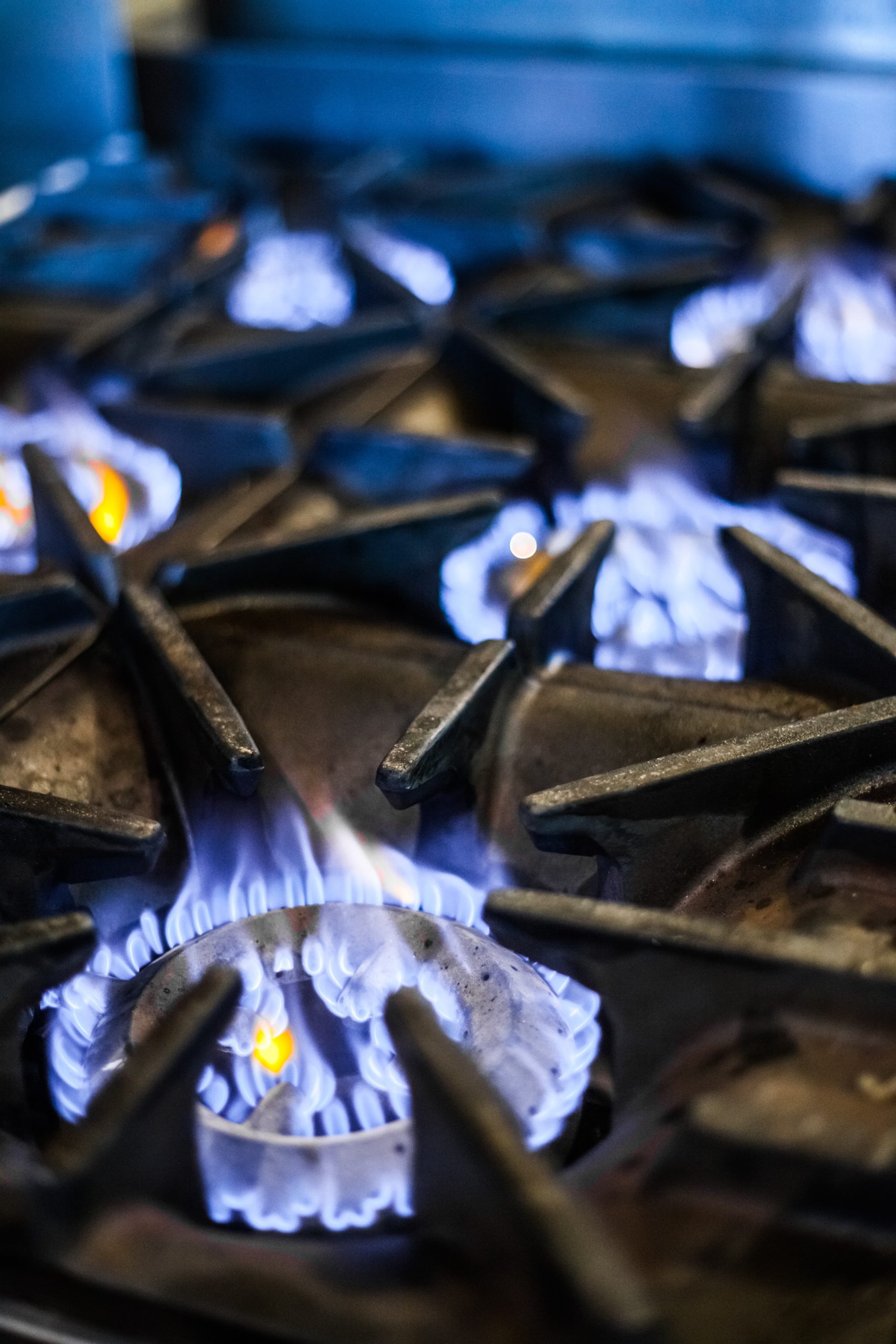
All of these certificates must be issued to you by an engineer registered with Gas Safe. They are designed to verify that commercial gas appliances and systems are safe. The gas engineer will carry out an exhaustive test and inspection to make sure that all gas appliances on the premises are in compliance with the standard. The gas engineer will issue a report if they find any problems and make recommendations for fixing them.
Gas inspections not only ensure security for tenants but also boost the efficiency of appliances. Regular maintenance and repairs can ensure that appliances are operating at their best, and result in lower energy costs. Having an annual gas inspection can also reduce the risk of gas explosions and fires, which are both common causes of destruction to buildings and injuries to occupants.
All landlords who own commercial or non-domestic properties with flues or gas appliances are legally required to get a CP12 certificate. The inspection will confirm that the flues and gas appliances are safe for letting. The certificate will include the findings of the inspection along with the date it was issued, and will be signed by the gas engineer to verify its authenticity. The CP12 also includes a list of any gas appliances that are classified as not conforming to Current Standard, which will describe the severity of the problem. Depending on the degree of the issue, the engineer may suggest replacing the appliance or making other changes to ensure it's safe for use.